Home Tutors in Islamabad: What Parents Should Know in 2026
Finding reliable home tutors in Islamabad has become one of the top priorities for parents in 2026, as school curricula grow more demanding and board exam competition intensifies. Between O/A Levels, Matric, and university entrance tests, many families now treat a good home tutor as a core part of their child’s education rather than a last-resort fix. This guide explains how home tutoring compares to online learning, what to look for in a tutor, and how to avoid wasting money on the wrong fit.
Why Demand for Home Tutors in Islamabad Keeps Growing
Islamabad’s school system has become increasingly competitive, with private schools following O/A Level syllabi alongside the Federal Board’s Matric and FSc tracks. Class sizes in many sectors (F-6, F-7, F-8, G-9, and the newer E-11 and Bahria Town communities) often leave little room for one-on-one attention. Parents respond by hiring a home tutor to fill the gaps a classroom simply cannot address for every student.
A second driver is subject specialization. Students struggling specifically with O Level Additional Mathematics or A Level Chemistry need a tutor who understands that exact syllabus, not a generalist. Home tutors who specialize in specific boards and subjects consistently produce better grade improvements than general-purpose tutoring centers.
Home Tutoring vs. Online Learning: Which Is Right for Your Child?
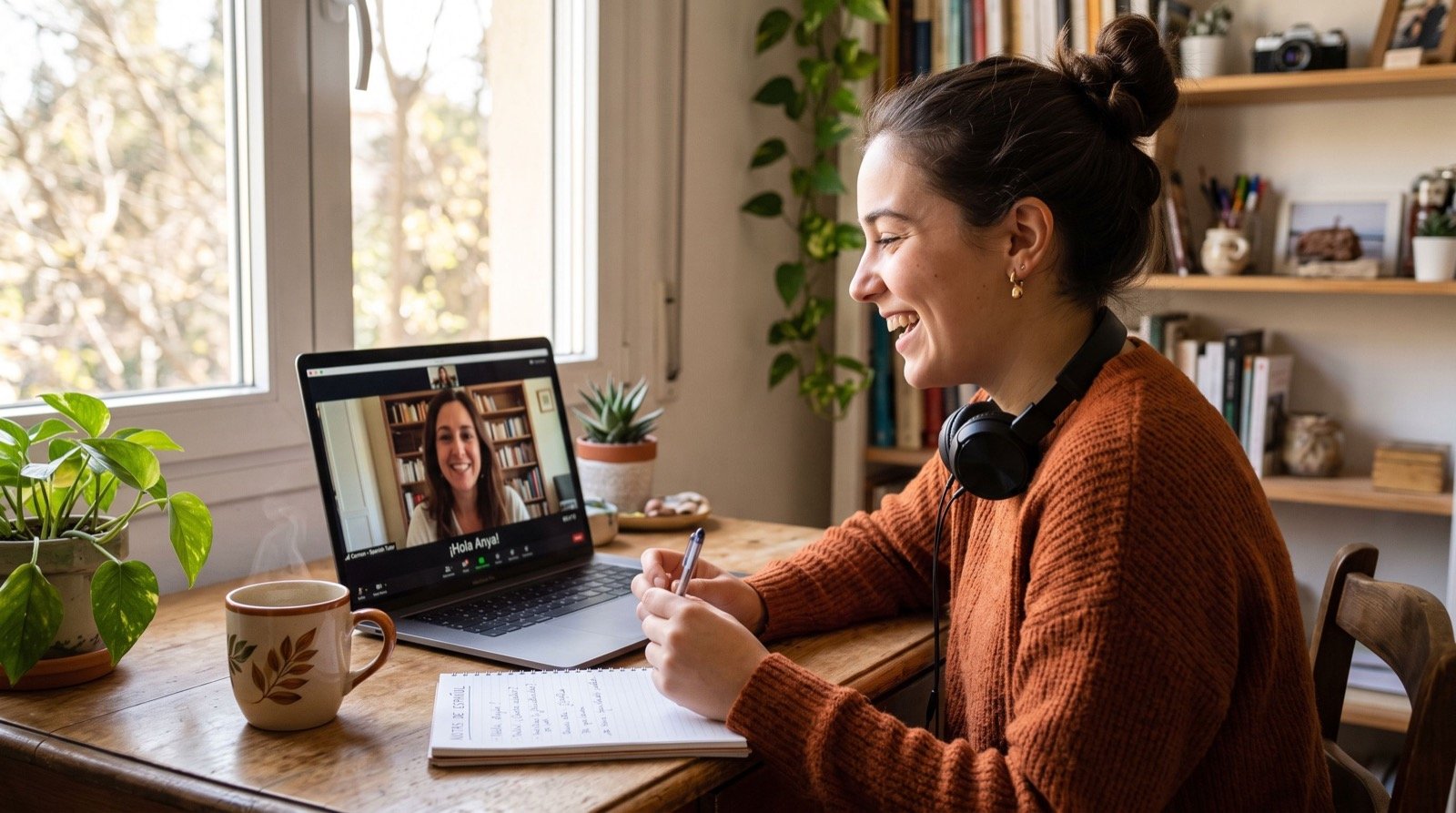
Both formats work, but they suit different students. A child who struggles with focus or needs constant encouragement often does better with a tutor physically present in the home. A self-motivated student juggling extracurriculars may prefer the flexibility of online learning courses that can be scheduled around sports practice or other commitments.
| Factor | Home Tutoring | Online Tutoring/Courses |
|---|---|---|
| Commute required | No (tutor travels) | No |
| Typical monthly cost in Islamabad | PKR 15,000–35,000 | PKR 8,000–20,000 |
| Best for | Younger students, exam-focused support | Self-disciplined students, flexible schedules |
| Supervision level | High (parent can observe directly) | Moderate (progress reports/dashboards) |
| Scheduling flexibility | Fixed time slots | Highly flexible |
How to Vet a Home Tutor Before Hiring
Credentials matter, but so does fit. Before signing a monthly arrangement, parents should:
- Ask for a trial session to see teaching style in action.
- Check the tutor’s track record with the specific board (Federal Board, O/A Level, or IB).
- Request references from at least two current or former families.
- Confirm availability consistency — a tutor who frequently reschedules will cost your child momentum.
- Clarify whether homework review and test preparation are included or billed separately.
Whether you are hiring movers for a corporate relocation or searching for a tutor, the principle is identical: always work with trusted professionals who have a verifiable history of reliable, consistent service rather than taking a chance on an unvetted stranger.
Red Flags to Watch for When Hiring a Home Tutor
Not every tutoring arrangement works out, and spotting problems early saves both money and your child’s momentum. Watch for these warning signs during the first two or three sessions:
- Vague lesson plans. A tutor who cannot explain what will be covered this month, specifically, is likely improvising session to session.
- No homework or practice between sessions. Tutoring without reinforcement between visits produces much slower progress.
- Frequent cancellations or lateness. This disrupts exam-preparation timelines more than most parents initially realize.
- Reluctance to discuss progress with parents. A confident, effective tutor welcomes regular check-ins on what is and isn’t working.
- Teaching to the textbook instead of the actual exam. For board-exam students, a tutor who ignores past papers is missing the most useful preparation tool available.
If two or more of these appear within the first month, it is usually faster to switch tutors than to hope the arrangement improves on its own.
What Should a Home Tutoring Session in Islamabad Actually Cost?
Rates vary by subject, grade level, and the tutor’s qualifications. A university student tutoring primary-level Math might charge PKR 8,000–12,000 per month for two sessions weekly, while an experienced O/A Level Physics or Chemistry specialist can charge PKR 25,000–40,000 per month given the exam stakes involved. Group tutoring (2–3 students) can reduce per-student cost by roughly 30–40% without sacrificing much quality, provided the students are at a similar level.
Do Home Tutors in Islamabad Actually Improve Grades?
Yes, when matched correctly. Research from the Higher Education Commission of Pakistan has repeatedly flagged foundational gaps in math and science as a leading cause of underperformance at the intermediate level — gaps that targeted one-on-one tutoring is well suited to close. Similarly, the Federal Board of Intermediate and Secondary Education publishes past papers and grading criteria that a good tutor uses directly to structure exam-focused lessons, rather than teaching generically.
The key is matching the tutor’s strength to the student’s actual weak points. A tutor who simply “covers the syllabus” without diagnosing specific gaps rarely moves the needle much.
Frequently Asked Questions
How much do home tutors in Islamabad charge per month?
Most home tutors in Islamabad charge between PKR 8,000 and PKR 40,000 per month depending on grade level, subject difficulty, and session frequency, with O/A Level science subjects at the higher end.
Is a home tutor better than a tuition academy?
A home tutor offers more personalized attention and flexible scheduling, while an academy offers peer interaction and often lower per-student cost. The right choice depends on whether your child needs individual focus or benefits from a classroom-style environment.
How often should a child meet with a home tutor?
Two to three sessions per week is typical for most subjects, though students preparing for board exams in the final two months often increase to four or five sessions weekly.
Can online tutoring replace home tutors in Islamabad completely?
For disciplined, older students, online tutoring can fully replace in-person sessions. Younger students or those who need close supervision generally benefit more from a tutor physically present in the home, at least initially.
Setting Up a Productive First Month
The first four weeks with a new tutor set the tone for everything that follows. Parents who stay actively involved during this period — reviewing homework briefly, asking the child what was covered, and checking in with the tutor after two or three sessions — catch mismatches early, before a full semester is lost to an arrangement that isn’t working.
It also helps to agree on measurable goals upfront: a target grade improvement, a specific topic the student needs to master, or a timeline tied to the next school assessment. Tutoring without a defined goal tends to drift, while tutoring built around a clear target stays focused session after session.
Final Thoughts
The right home tutor can change a struggling student’s entire academic trajectory, but only if parents take the vetting process seriously. Start with a trial session, confirm board-specific experience, and track progress over the first month before committing to a long-term arrangement. Islamabad has no shortage of tutors — the goal is finding one whose teaching style actually matches your child’s learning needs.