Ambient Storage in Saudi Arabia: The 2026 Guide to Room-Temperature Warehousing
Ambient storage in Saudi Arabia is quietly powering the Kingdom’s fast-growing logistics economy. As Riyadh cements its position as a central distribution hub, businesses need room-temperature warehousing that is secure, scalable, and close to major markets. Ambient storage keeps shelf-stable goods safe without the energy cost of refrigeration, making it the practical choice for the vast majority of products. In 2026, understanding how to use it well can sharpen your competitive edge across the Central Region and beyond.
This guide explains what ambient storage is, why Riyadh is a strategic location, and how to build a smarter, leaner supply chain around room-temperature warehousing.
What Is Ambient Storage?
Ambient storage means warehousing goods at natural room temperature, generally between 15°C and 25°C, with controlled humidity and no active cooling. It is the most common and cost-effective form of storage worldwide because most products simply do not need refrigeration.
Reliable Ambient Storage in Saudi Arabia supports goods such as:
- Canned and packaged foods
- Beverages and bottled water
- Household and cleaning products
- Electronics, tools, and hardware
- Textiles, apparel, and paper goods
Ambient vs dry storage: are they the same?
The two terms are often used interchangeably. Both describe non-refrigerated, room-temperature warehousing. “Dry storage” tends to stress low humidity, while “ambient” emphasises the natural temperature range. For businesses in Riyadh, the practical result is the same: safe, affordable space for shelf-stable stock. Specialised Dry Storage in Riyadh facilities combine both principles, protecting goods from heat, moisture, and pests.
Why Riyadh Is a Strategic Storage Hub
Riyadh sits at the geographic heart of Saudi Arabia, making it a natural distribution centre. Goods stored here reach the Central, Eastern, and Northern regions efficiently by road. The capital’s growth is central to national economic plans, and logistics infrastructure is expanding to match.
Under Saudi Vision 2030, the Kingdom aims to become a global logistics hub connecting three continents. This ambition is driving investment in warehouses, transport corridors, and dry ports around Riyadh, giving businesses more high-quality storage options than ever before.
Benefits of centralising in the capital
- Fast national reach. Central location shortens delivery times across the Kingdom.
- Talent and infrastructure. Riyadh offers skilled labour and modern facilities.
- Market proximity. The capital is the Kingdom’s largest consumer market.
- Growth support. Government logistics initiatives back the sector’s expansion.
How Ambient Storage Saves You Money
The biggest advantage of ambient storage is cost. Without compressors, freezers, and the energy they consume, room-temperature warehousing is far cheaper to operate than chilled or frozen space. Those savings flow through to your storage rates.
| Storage Type | Temperature | Relative Cost | Best For |
|---|---|---|---|
| Ambient / Dry | 15°C – 25°C | Low | Shelf-stable goods |
| Chilled | 0°C – 5°C | High | Dairy, produce, pharma |
| Frozen | -18°C or below | Highest | Meat, seafood, ice cream |
The lesson is simple: never pay for cooling you do not need. Reserve chilled and frozen zones for genuinely perishable goods, and keep everything else in ambient storage.
What Makes a Quality Ambient Warehouse?
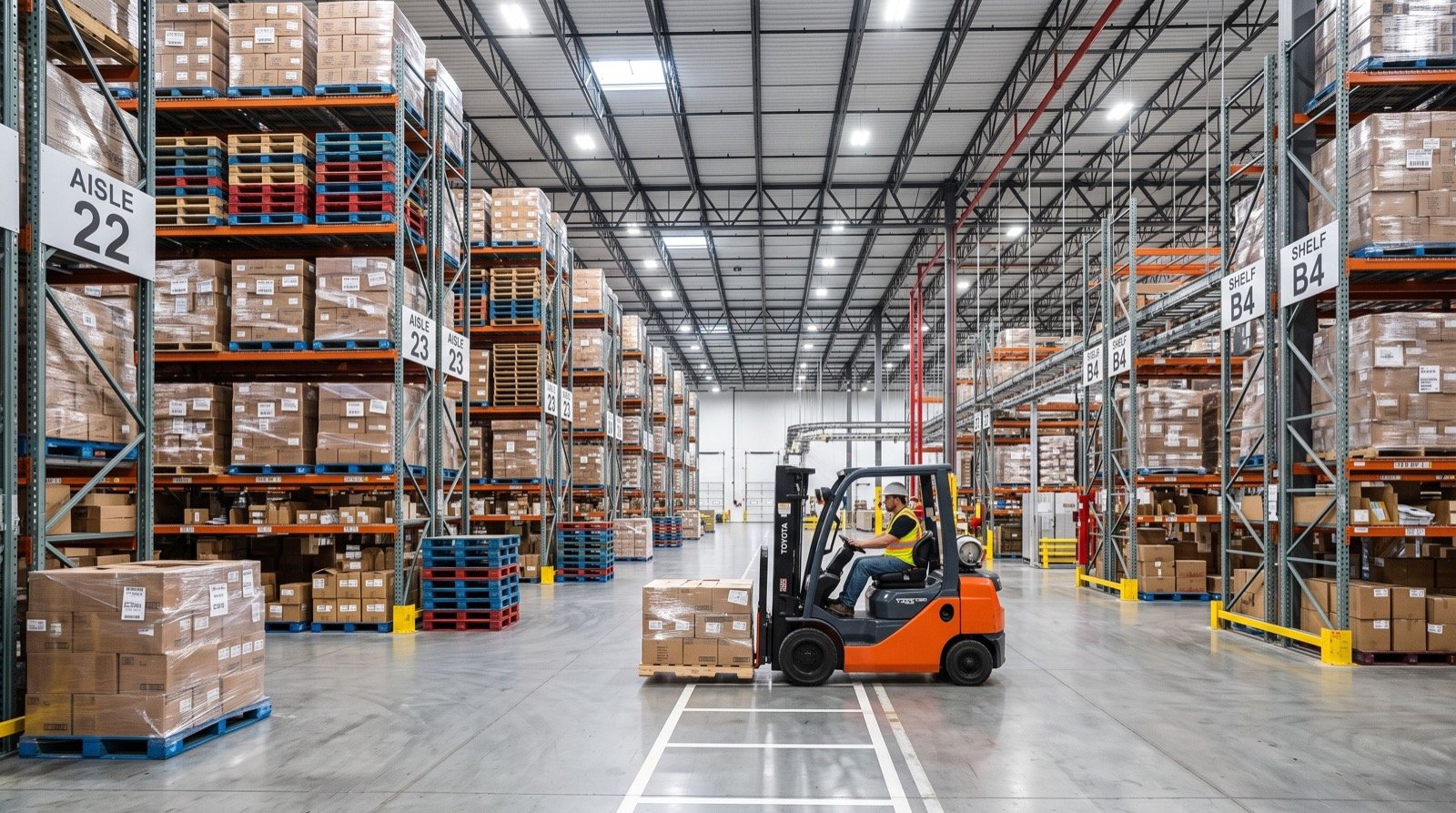
Room temperature does not mean low standards. A well-run ambient facility protects your goods through disciplined management. Look for:
- Humidity control and strong ventilation
- Pallet racking that keeps stock off the floor
- Pest-control programmes and regular inspections
- Fire suppression and 24/7 security monitoring
- A warehouse management system for real-time visibility
An experienced local team makes all the difference when it comes to consistent, reliable handling. You can see the value of dependable, well-trained service in this guide from an experienced local team that treats reliability as a core promise.
How do you control humidity in Riyadh’s climate?
Riyadh’s inland climate is dry for much of the year, which helps ambient storage. Still, seasonal shifts and rare rainfall make humidity management important. Good facilities use ventilation, sealed docks, and monitoring to keep moisture stable, protecting cardboard packaging, electronics, and paper goods from damage.
Practical Tips for Using Ambient Storage Well
From hands-on logistics experience, these habits keep ambient operations efficient:
- Segment fast-moving and slow-moving stock for quicker picking.
- Use FIFO rotation to prevent packaging from ageing.
- Plan buffer capacity for Ramadan and seasonal demand peaks.
- Review your storage footprint quarterly to avoid paying for unused space.
- Choose a provider offering flexible, scalable contracts.
Scaling Ambient Storage as Your Business Grows
One of the biggest advantages of ambient storage is flexibility. Because it is affordable, you can scale space up or down without the heavy cost commitments that refrigerated warehousing demands. This makes it ideal for growing businesses and seasonal operations.
Consider a phased approach as your volumes rise:
- Start lean. Take only the space you need, charged per pallet or area.
- Add buffer capacity ahead of peak seasons like Ramadan.
- Move to a dedicated zone once your volumes justify it.
- Layer in value-added services such as labelling, kitting, and distribution.
This flexibility lets Riyadh businesses respond to demand without overcommitting capital. A provider that offers short, scalable contracts gives you room to experiment with new product lines or sales channels while keeping fixed costs low. In a fast-moving market, that agility is a genuine competitive advantage, and ambient storage delivers it at the lowest possible cost per pallet.
Frequently Asked Questions
What temperature is ambient storage kept at?
Ambient storage sits at natural room temperature, typically 15°C to 25°C, with controlled humidity. There is no active refrigeration, which is why it costs less than chilled or frozen storage while keeping shelf-stable goods safe.
Is ambient storage suitable for food?
Yes, for shelf-stable food such as canned goods, grains, bottled drinks, and packaged snacks. Perishable food like fresh dairy, meat, and produce needs chilled or frozen storage to stay safe and compliant with food-safety rules.
Why choose Riyadh for storage?
Riyadh’s central location gives fast road access to the whole Kingdom, plus a large consumer market and growing logistics infrastructure backed by Vision 2030. That combination makes it a strategic base for national distribution.
How is ambient storage different from a normal warehouse?
A quality ambient warehouse adds humidity control, ventilation, pest management, and inventory systems on top of basic space. These measures protect your goods and give you accurate, real-time stock visibility.
Conclusion: Build Your Supply Chain on Ambient Storage in Saudi Arabia
Ambient storage in Saudi Arabia offers the best balance of cost, flexibility, and reach for shelf-stable goods. By centralising in Riyadh, you tap into the Kingdom’s growing logistics network and shorten delivery times nationwide. Reserve chilled and frozen space for true perishables, and let room-temperature warehousing carry the rest of your inventory efficiently.
Ready to optimise your storage? Speak with a trusted Saudi warehousing provider today, request a tailored quote, and give your products a secure, well-managed home in the heart of the Kingdom.