
Heavy Duty Pooper Scooper for Big Dogs: 2026 Guide
Owners of large breeds know the struggle: a flimsy scoop simply cannot handle the job. A heavy duty pooper scooper is built for volume, tough grass, and daily use, making it essential gear for anyone with a Lab, Shepherd, Mastiff, or any big dog. In 2026, upgrading to a rugged tool transforms yard cleanup from a battle into a quick, satisfying routine.
This guide covers what “heavy duty” really means, how to choose one for a large dog, and how to keep your yard spotless year-round.
What Makes a Scooper Heavy Duty?
Heavy duty is not just marketing. It means reinforced materials, a wider mouth, a sturdier handle, and a mechanism that grabs firmly even with a big load. These tools are engineered to survive years of demanding use.
- Reinforced head: metal or thick composite that will not flex.
- Wide capacity: handles large deposits in one scoop.
- Strong spring or jaw: firm grip on grass and gravel.
- Long, solid handle: leverage without bending your back.
A true Heavy Duty Pooper Scooper feels substantial and grabs cleanly the first time, so you are not making three passes over the same spot. For big-dog owners, that efficiency is the whole point.
Why Big Dogs Need Heavy Duty Gear
Large breeds produce significantly more waste, and standard tools bend, overflow, or miss. Beyond frustration, incomplete cleanup leaves pathogens in your yard. The Centers for Disease Control and Prevention notes that pet waste can carry parasites transmissible to people, so thorough removal is a health priority, not just a tidiness one.
How Do You Match a Scooper to Your Dog’s Size?
The bigger the dog, the wider and sturdier the scooper should be. A tool with a generous mouth and a reinforced head handles a large breed’s output in a single motion. For giant breeds, prioritize capacity and a firm gripping mechanism above all else.
| Dog Size | Recommended Tool | Bag Need |
|---|---|---|
| Small (under 25 lb) | Standard scooper | Standard bags |
| Medium (25–50 lb) | Sturdy scooper | Standard to heavy |
| Large (50–90 lb) | Heavy duty scooper | Heavy duty bags |
| Giant (90 lb+) | Wide heavy duty | Extra heavy bags |
Pairing With Heavy Duty Bags
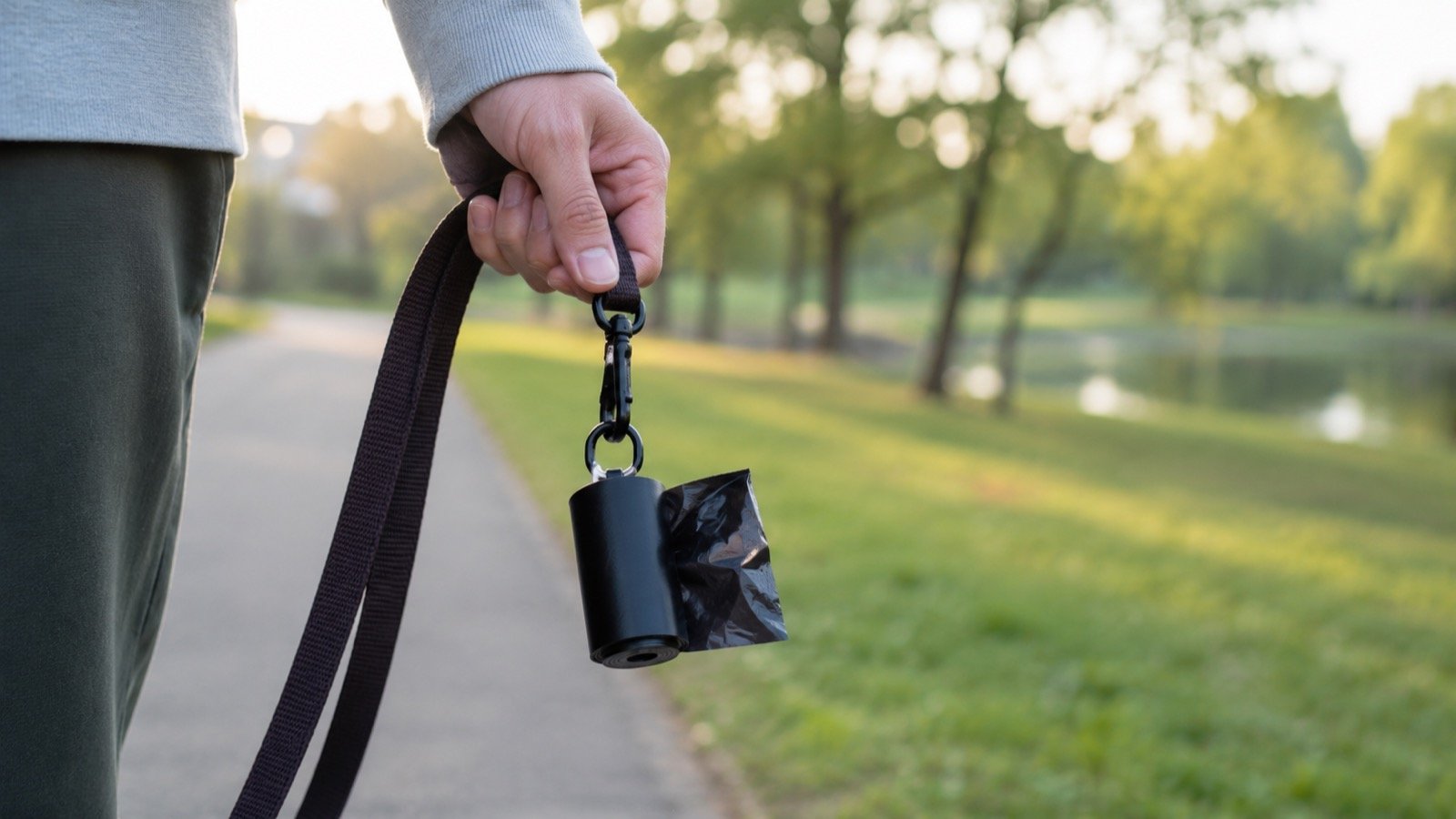
A powerful scooper needs equally tough bags. Big deposits demand thicker, larger bags that resist tearing at the knot. Stocking a supply of heavy duty bags means you are ready every day without the risk of a mid-lift blowout. For giant breeds, size up so you always have room to seal securely.
A Weekly Routine for Big-Dog Yards
- Do a daily quick pass to catch fresh deposits.
- Reserve one weekly session for a thorough sweep.
- Work in rows so you do not miss a corner.
- Bag as you go rather than piling waste.
- Rinse the tool and store it to dry.
Daily attention keeps the weekly job small and prevents odor and lawn damage from setting in. Big dogs reward consistency with a cleaner, healthier yard.
If you are unsure which model suits your breed, quality service providers can recommend the right capacity and handle length for your dog and yard size. A quick consult saves you from buying a tool that is too small.
Protecting Your Lawn From Big-Dog Damage
Large breeds are hard on grass, and waste is a big part of why. Sitting deposits burn the lawn, leaving yellow patches that spread the longer they linger. The nitrogen concentration in dog waste is simply too high for turf to tolerate, so prompt removal is the best lawn care a big-dog owner can practice.
Beyond scooping, rotating your dog’s potty spots helps prevent any single area from getting overwhelmed. Watering high-traffic zones dilutes residue and supports recovery. With a heavy duty scooper making daily cleanup fast, you can stay ahead of the damage instead of chasing brown spots all summer. A little consistency keeps a big-dog lawn green and healthy.
How Do You Handle Multiple Large Dogs?
Multi-dog households multiply the challenge, but the same principles scale up. Use a wide, high-capacity scooper so each pass removes more waste. Clean at least twice daily, since volume accumulates fast. Stock extra heavy bags in bulk so you never run short. Assigning cleanup as a shared household task keeps the routine sustainable when the workload is heavy. With the right system, even a yard full of big dogs stays manageable.
Storing and Maintaining Your Heavy Duty Tool
A rugged scooper still benefits from basic care to stay at its best.
- Rinse after use to prevent buildup on the head.
- Dry it fully before storing to avoid rust or odor.
- Check the mechanism periodically for smooth operation.
- Store handle-up so water drains and the head stays clean.
- Keep it accessible near the door so you use it daily.
Frequently Asked Questions
Is a heavy duty pooper scooper worth it for one large dog?
Absolutely. Even a single large dog produces enough waste to overwhelm a flimsy scoop. A heavy duty tool cleans faster, lasts longer, and spares you repeated passes over the same spot.
Can a heavy duty scooper handle multiple dogs?
Yes. Its wide capacity and rugged build are ideal for multi-dog households, where waste volume is highest. Pair it with extra heavy bags and even a busy yard stays manageable.
Will a heavy duty scooper damage my lawn?
No. A well-designed metal edge cuts cleanly around waste without tearing turf. In fact, prompt removal protects your lawn from the burn spots that sitting waste causes.
How often should big-dog owners scoop?
Daily is ideal. Large breeds generate a lot of waste quickly, so a short daily pass plus one weekly deep clean keeps your yard fresh and your cleanup effort low.
Conclusion
For anyone with a large or giant breed, a heavy duty pooper scooper is the tool that finally makes yard cleanup easy. Match the capacity to your dog, pair it with tough bags, and stick to a simple daily routine. In 2026, big-dog ownership stays clean, healthy, and hassle-free when you have gear built to keep up.